Aged care audiology visits Charlestown support for aged care residents by Earport Audiology
Earport — Aged Care Visits
Hearing Care Resident Support
Aged care audiology visits Charlestown made easier.

Earport provides aged care audiology visits Charlestown families can arrange for residents who struggle with travel, hearing aids, conversation, family calls or group activities.

Hearing checks, device support and clear communication advice for residents
Help for families and care teams when hearing loss is affecting daily connection
Aged care audiology visits Charlestown, Newcastle, Lake Macquarie and the Hunter

Aged care audiology visits Charlestown residents can rely on.

Hearing Care for Aged Care Homes

Aged care audiology visits Charlestown families can arrange through Earport support residents with calm hearing checks, hearing aid support, communication guidance and clear next steps across Newcastle, Lake Macquarie and the Hunter.

Resident-centred careHearing aid supportFamily and staff guidance
Aged Care Audiology Visits

Aged care audiology visits Charlestown families can arrange with clear next steps

Aged care audiology visits Charlestown residents receive from Earport help when travel, fatigue, hearing aid problems or communication difficulty make clinic appointments harder. Earport provides practical hearing care for aged care homes, families and care teams across Newcastle, Lake Macquarie and the Hunter.

Our aged care audiology visits Charlestown service can support hearing checks, hearing aid cleaning, device troubleshooting, communication advice and referral planning. The aim is simple: reduce frustration, restore connection and help residents participate more confidently in daily life.

Helpful for residents who miss conversation, avoid activities, increase television volume or appear withdrawn.
Clear support for families and staff so hearing care does not become confusing or forgotten.
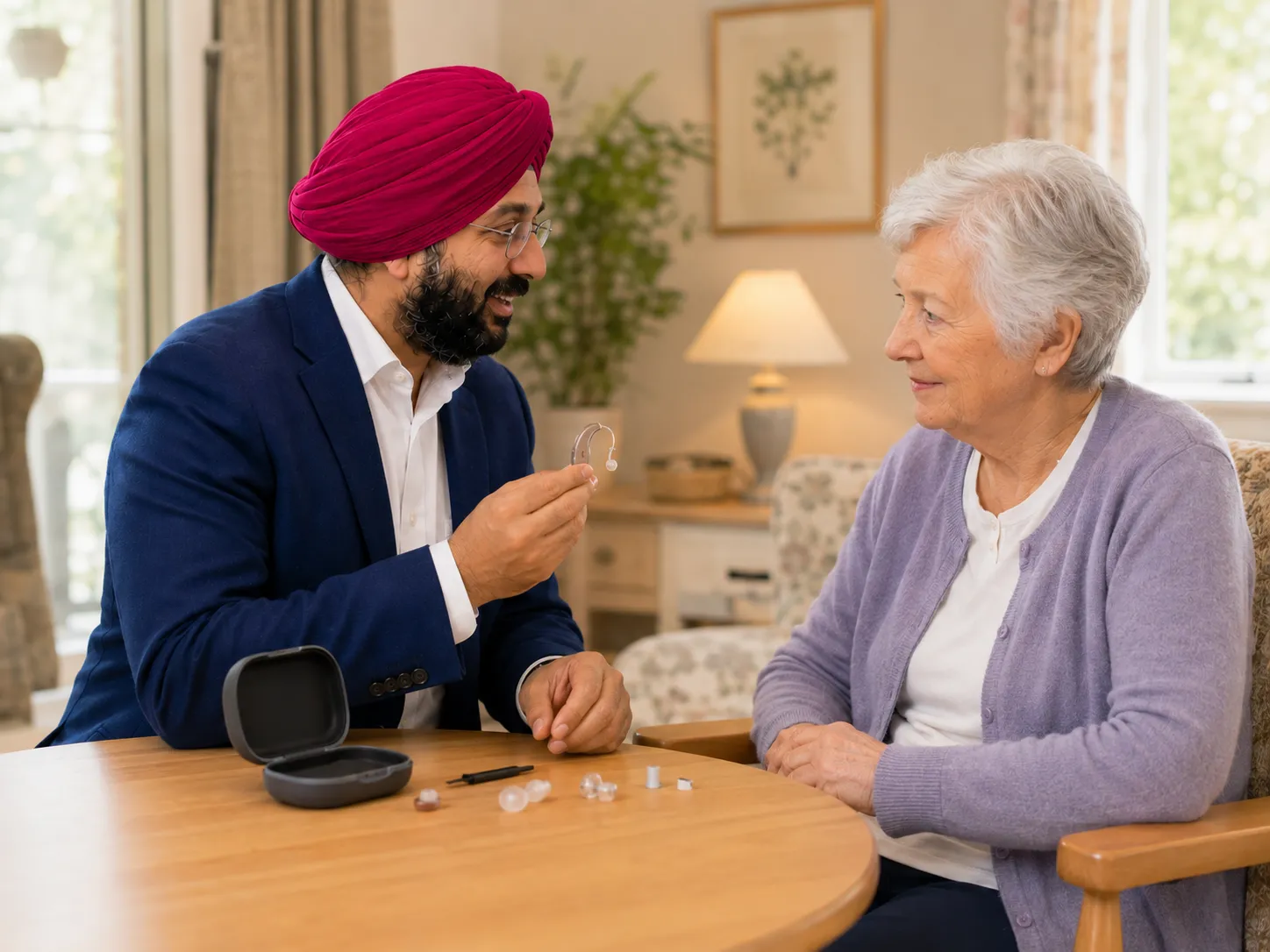
Aged care audiology visits Charlestown for an older resident

Why Visits Help

Less travel stressCare comes closer to the resident when clinic attendance feels difficult or tiring.
More daily connectionBetter hearing support can improve meals, activities, family visits and phone calls.
Hearing Aids, Repairs and Real Frustration

Many residents already have hearing aids — but small problems can stop them being used every day.

In aged care, hearing aids are often placed in drawers because they whistle, feel uncomfortable, sound too loud, need batteries, have blocked filters or are hard to insert. Families may feel worried, while staff may not know whether the device is faulty or simply needs maintenance.

Earport helps identify the practical barrier. Sometimes the answer is cleaning, tubing, battery guidance or adjustment. Sometimes the resident needs reassessment, medical review or a more realistic hearing plan that matches dexterity, comfort and daily routine.

Support for whistling, blocked, uncomfortable, weak or inconsistent hearing aids.
Plain-English advice for families and care teams so hearing devices are easier to manage.
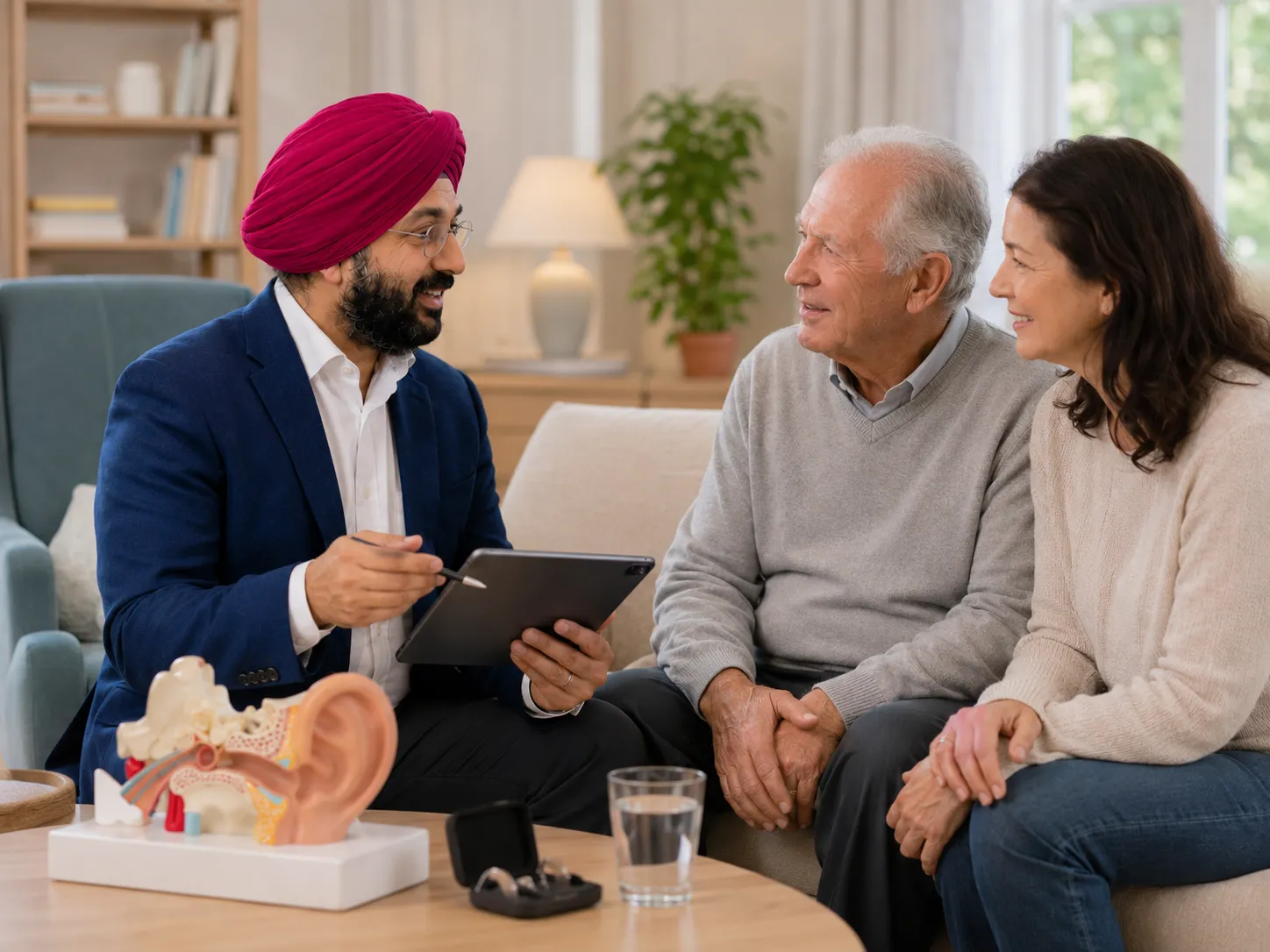
Hearing aid support and maintenance for aged care residents in Newcastle

Common Problems

“They do not wear them.”We look for the reason: comfort, sound, cleaning, batteries, fit or confidence.
“They still cannot hear.”Hearing aids may need adjustment, service, counselling or a new hearing plan.
Communication, Dementia and Family Hope

When hearing is missed, a resident may seem withdrawn, confused or difficult to engage.

Hearing loss can quietly change behaviour. A resident may stop joining conversations, answer incorrectly, become tired in groups, avoid phone calls or appear less alert. In people with memory changes, hearing difficulty can add another layer of confusion and distress.

Audiology does not diagnose cognitive conditions, but it can reduce avoidable communication barriers. Earport focuses on respectful testing, practical advice and realistic strategies that help families and care staff speak with more clarity and confidence.

Communication guidance for residents with fatigue, memory concerns or reduced confidence.
Support that protects dignity: slower speech, better positioning, device checks and calmer listening spaces.
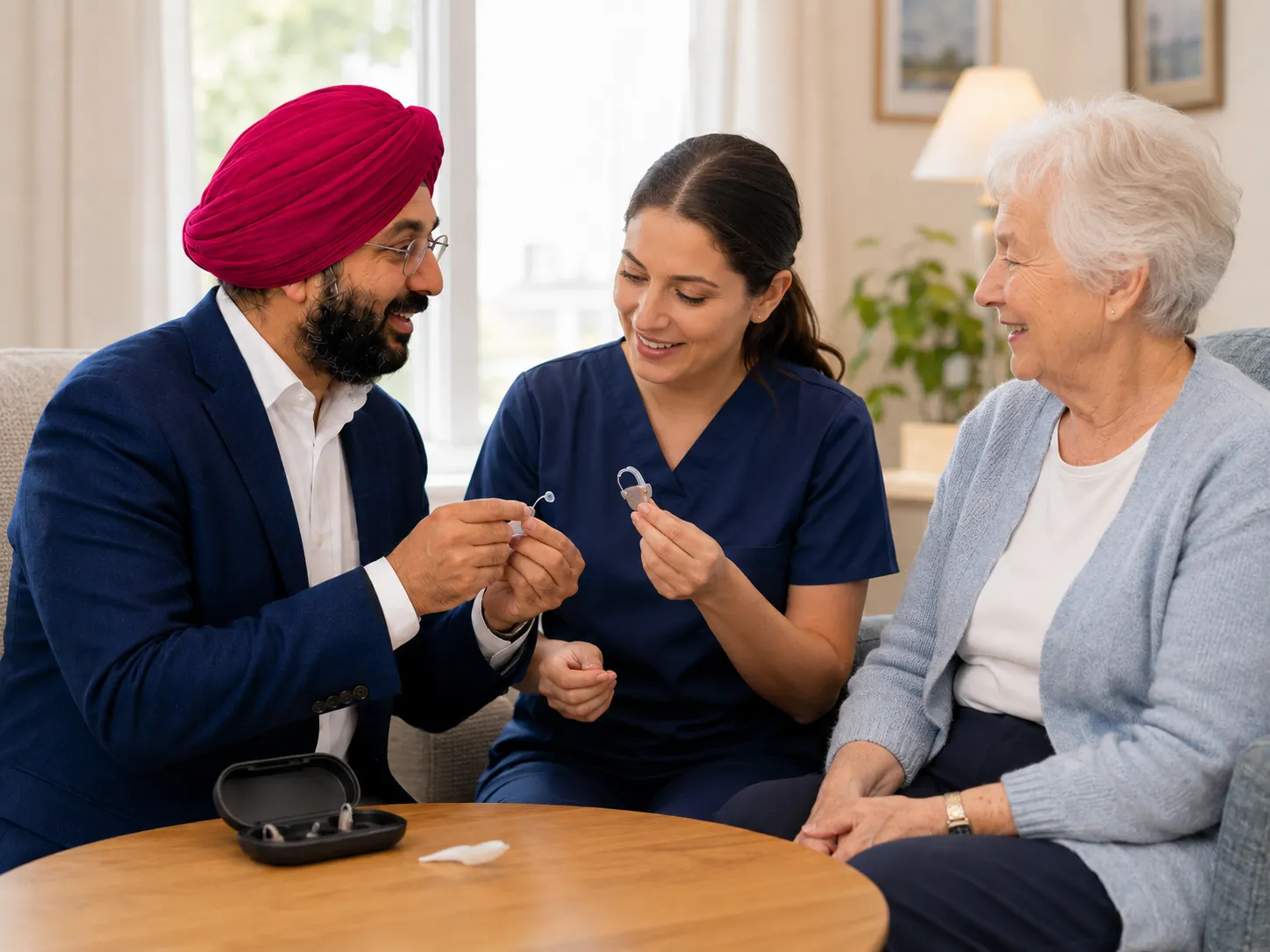
Family and staff communication support for aged care hearing loss

More Than Devices

Protect dignityHearing care helps residents feel included rather than corrected or ignored.
Support the teamSimple strategies can make care conversations easier and less stressful.
Local Support and Clear Next Steps

Aged care audiology visits Charlestown families can use for clearer hearing care decisions

Families often ask whether hearing aids are still suitable, whether the resident needs a new test, whether funding may be available, or whether hearing loss is affecting mood and connection. The right visit gives calm answers and practical next steps.

Earport supports aged care audiology visits Charlestown families and aged care teams can use across Newcastle, Lake Macquarie and the Hunter. The focus is careful listening, respectful resident care and guidance that turns hearing concerns into an achievable plan.

Helpful notes and recommendations for families, representatives and aged care teams.
Guidance around clinic follow-up, device support, referral needs and possible hearing service pathways.
Older adult enjoying better connection after aged care audiology support

What Better Feels Like

Less isolationHearing support can make family visits, meals and activities feel easier again.
More confidenceFamilies and staff know what to check and when to seek further support.
Aged Care Hearing Questions

Frequently asked questions about aged care audiology visits in Charlestown, Newcastle and Lake Macquarie

These answers are for families, care managers and aged care teams who want practical hearing support for residents who may be missing conversation, struggling with hearing aids, withdrawing socially or finding clinic travel difficult.

What is an aged care audiology visit?

An aged care audiology visit brings hearing care to a resident in an aged care home or supported living setting. It may include a hearing check, hearing aid review, device cleaning, communication advice, referral guidance and practical support for families or care staff.

Why does hearing care matter so much in aged care?

Untreated or poorly managed hearing loss can make residents withdraw from conversation, miss instructions, seem confused, avoid activities or become frustrated. Good hearing support can improve confidence, connection, participation and day-to-day comfort.

Can you help if a resident already owns hearing aids but does not wear them?

Yes. Many residents stop wearing hearing aids because the devices whistle, feel uncomfortable, sound too sharp, need cleaning, have flat batteries or are difficult to manage. A visit can identify what is getting in the way and whether adjustment, repair, counselling or a new plan is needed.

Can hearing loss look like memory problems in aged care?

Hearing loss can make a person appear inattentive, confused or withdrawn because they are missing parts of conversation. Audiology does not diagnose dementia, but checking hearing can reduce avoidable communication barriers and support clearer care planning.

Do families need to attend the aged care hearing visit?

Family attendance can be helpful, especially when decisions about hearing aids, funding, communication goals or follow-up are needed. If family cannot attend, clear notes and next-step guidance can help everyone understand what was found.

Can staff be shown how to help with hearing aids?

Yes. Practical support can include showing care staff or family members how to check batteries, identify left and right devices, spot blocked wax filters, clean earmoulds and recognise when a device needs professional attention.

What if the resident cannot give clear answers during a hearing check?

Audiology visits can be adapted for residents with fatigue, memory difficulty, reduced attention or complex communication needs. The goal is to gather useful information respectfully, avoid overwhelming the resident and recommend realistic next steps.

Are aged care audiology visits only for people with hearing aids?

No. Visits can also help residents who have never had hearing aids but are struggling with conversation, television volume, phone calls, group activities, family visits or repeated misunderstandings.

Can aged care residents receive subsidised hearing services in Australia?

Some residents may be eligible for subsidised hearing services through Australian Government programs, depending on their circumstances and program rules. Earport can help explain general options and guide families on what information to check before booking or proceeding.

Who provides aged care audiology visits Charlestown residents can access?

Earport provides aged care audiology visits Charlestown residents, families and care teams can access, with support across Newcastle, Lake Macquarie and the Hunter Region. Families and care managers can call 0402 291 129 to discuss whether a visit is suitable.
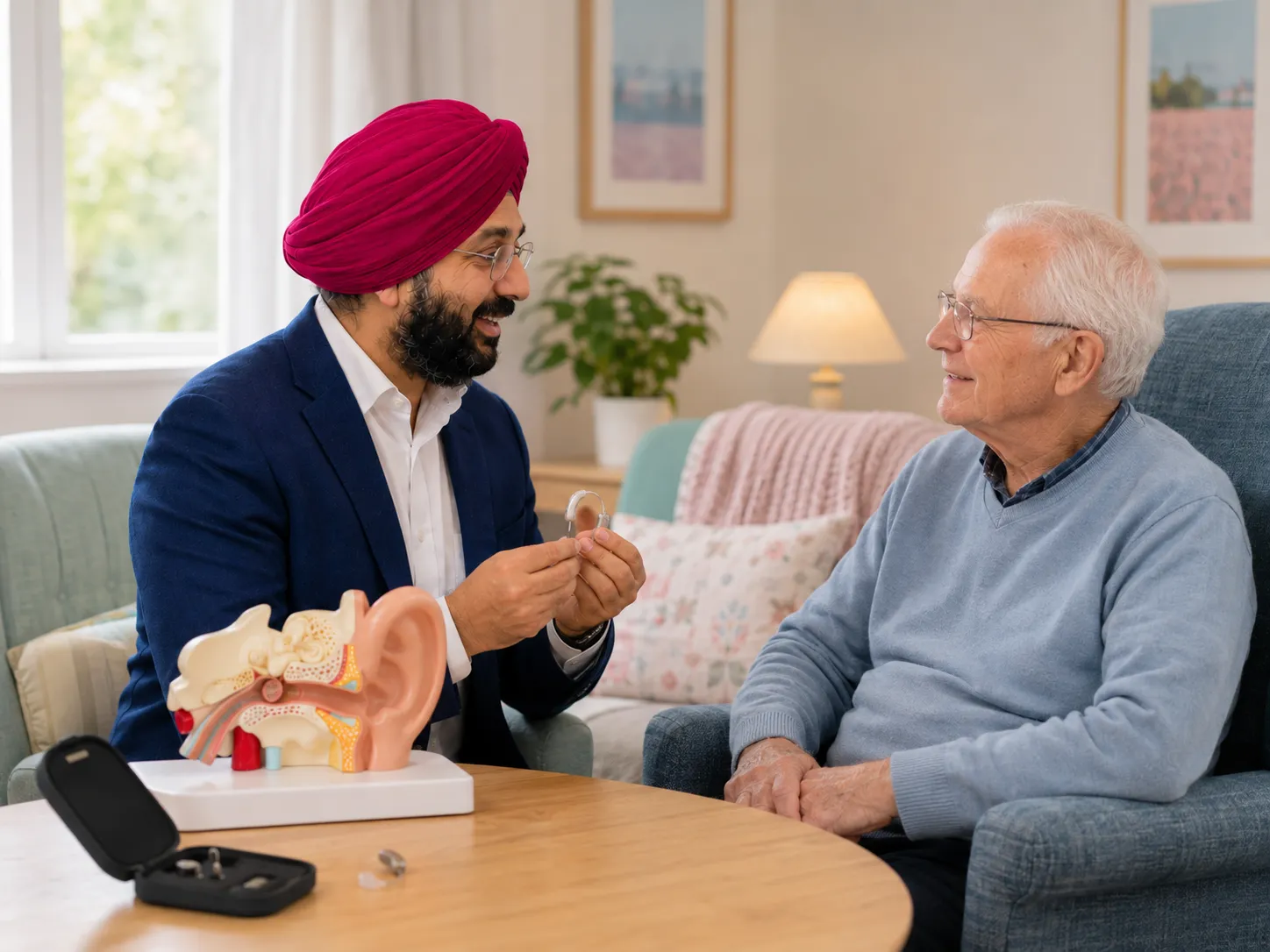
Resident Hearing Checks

Support for residents who are missing conversation, turning the television up, avoiding group activity or struggling with daily communication.

Hearing Aid Support

Help with device comfort, cleaning, batteries, blocked filters, whistling, weak sound and practical handling concerns in aged care routines.

Family and Staff Guidance

Clear recommendations so families and care teams know what was checked, what needs attention and what the next step should be.

Book aged care audiology visits Charlestown residents can receive through Earport.

Call Earport to discuss aged care audiology visits Charlestown aged care homes can arrange, including hearing checks, hearing aid problems, resident communication concerns, family guidance and facility support across Newcastle, Lake Macquarie and the Hunter Region.