Hearing aids Glendale support that is independent, personal and focused on what works for you.
Choosing hearing aids Glendale options can be overwhelming. You are comparing brands, prices, Bluetooth features, rechargeable batteries, invisible styles and competing clinic promises — all while wondering whether any of it will genuinely help in the moments that matter most.
Earport has no ownership ties to any hearing aid manufacturer. That freedom means every recommendation is built around your actual hearing test results, daily lifestyle, phone habits, comfort preferences and realistic budget — not around whoever stocks our shelves.
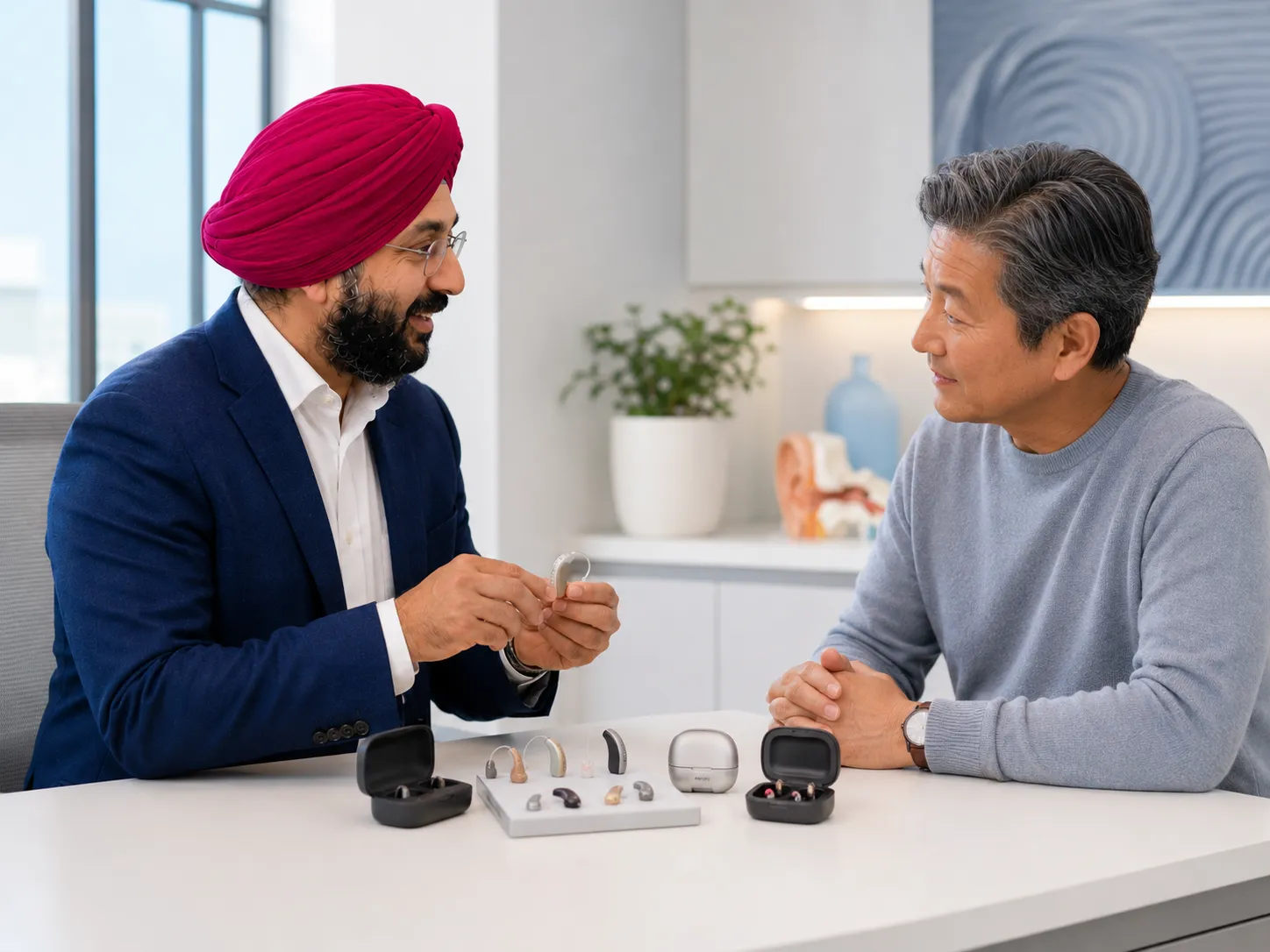
What Patients Tell Us They Want
Cost, comfort, noise, visibility — these worries are completely valid.
Many people put off hearing care for years because they're afraid of spending thousands and still struggling in noisy rooms. Others dread bulky devices, embarrassing whistling, confusing apps, uncomfortable earpieces, endless adjustments — or being steered toward the priciest option regardless of their needs.
At Earport, none of those concerns are brushed aside. Every appointment begins with what matters to you: hearing your partner clearly at home, following group conversations without exhaustion, managing important work meetings, watching television without the volume blaring, streaming calls effortlessly and feeling genuinely confident in public again.
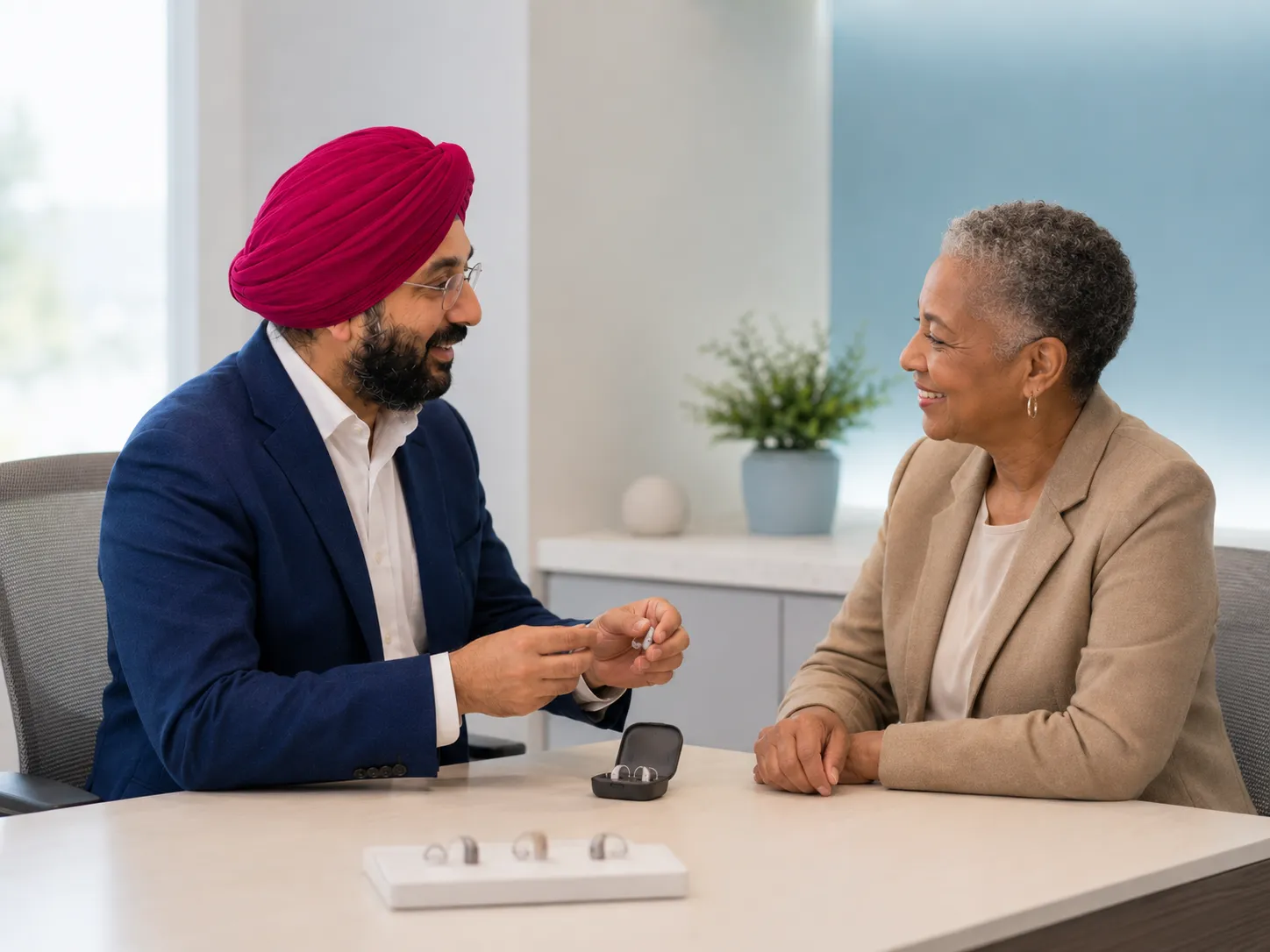
Common Pain Points
A genuine hearing clinic investigates thoroughly before it recommends anything.
Hearing aids are only one possible outcome of a proper hearing appointment. Depending on what your assessment reveals, the smarter first step might be deeper diagnostic testing, long-term monitoring, a medical referral, communication strategy coaching, tinnitus management or a structured rehabilitation plan — not a product sale.
Earport uses an extensive test battery to objectively evaluate critical aspects of your ear function and balance-related health. That richer clinical picture helps us understand what is genuinely happening — and design a rehabilitation pathway only when one is truly warranted.
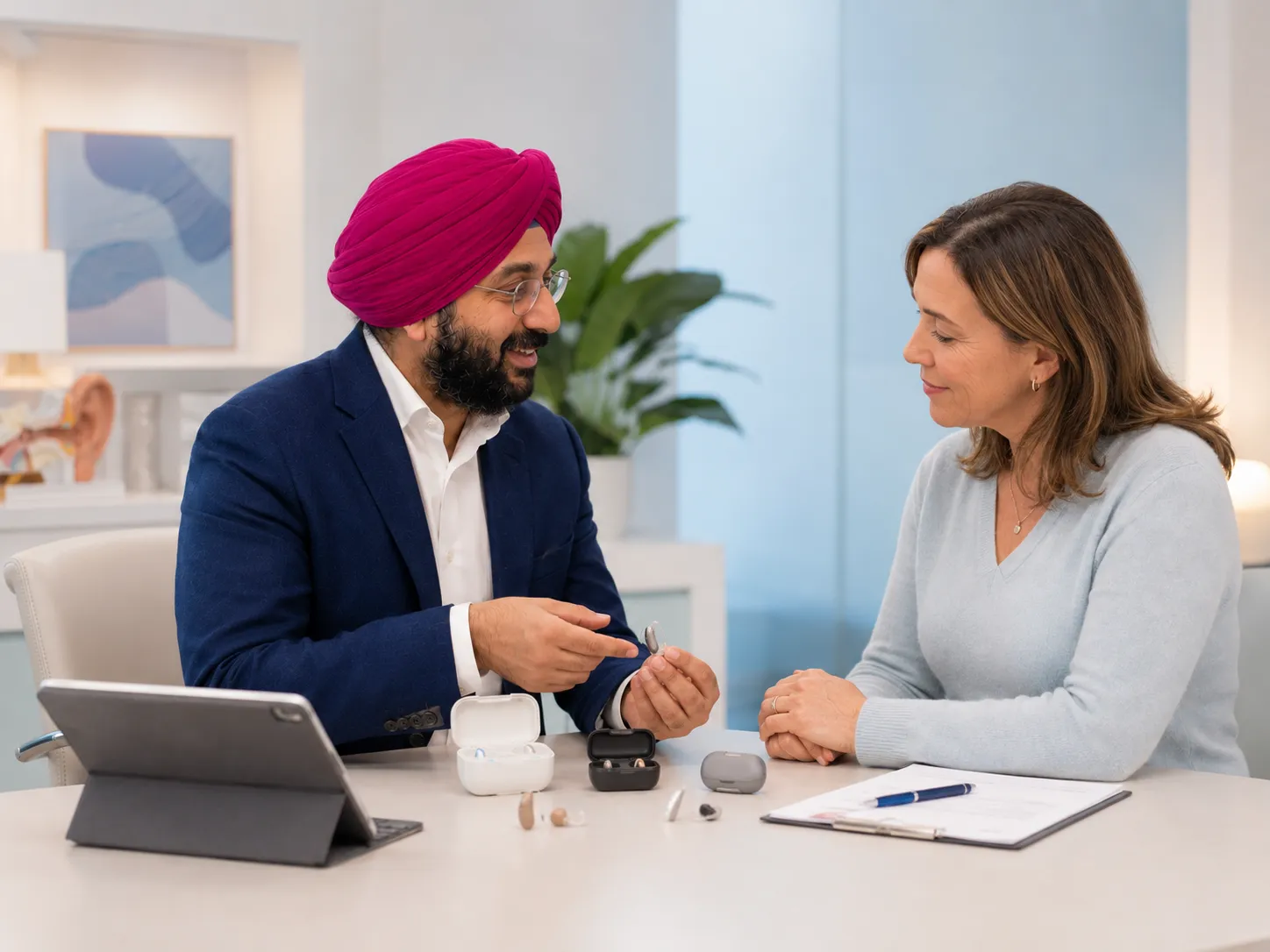
Clinical Difference
Better hearing isn't just about technology. It's about staying truly connected.
Untreated hearing difficulty has a way of quietly reshaping everyday life. People gradually stop joining conversations, avoid loud restaurants, pull back from family events, finish meetings feeling exhausted, or find themselves constantly asking others to repeat themselves. The right support — at the right time — can completely change that trajectory.
Earport gives you a trusted, pressure-free space to ask the questions you've been putting off, compare your real options and move forward at whatever pace feels right for you. Whether you need hearing aids today, a more thorough assessment, a second opinion or simply a clear plan for the future, the goal is always the same: clearer communication and genuine confidence in daily life.
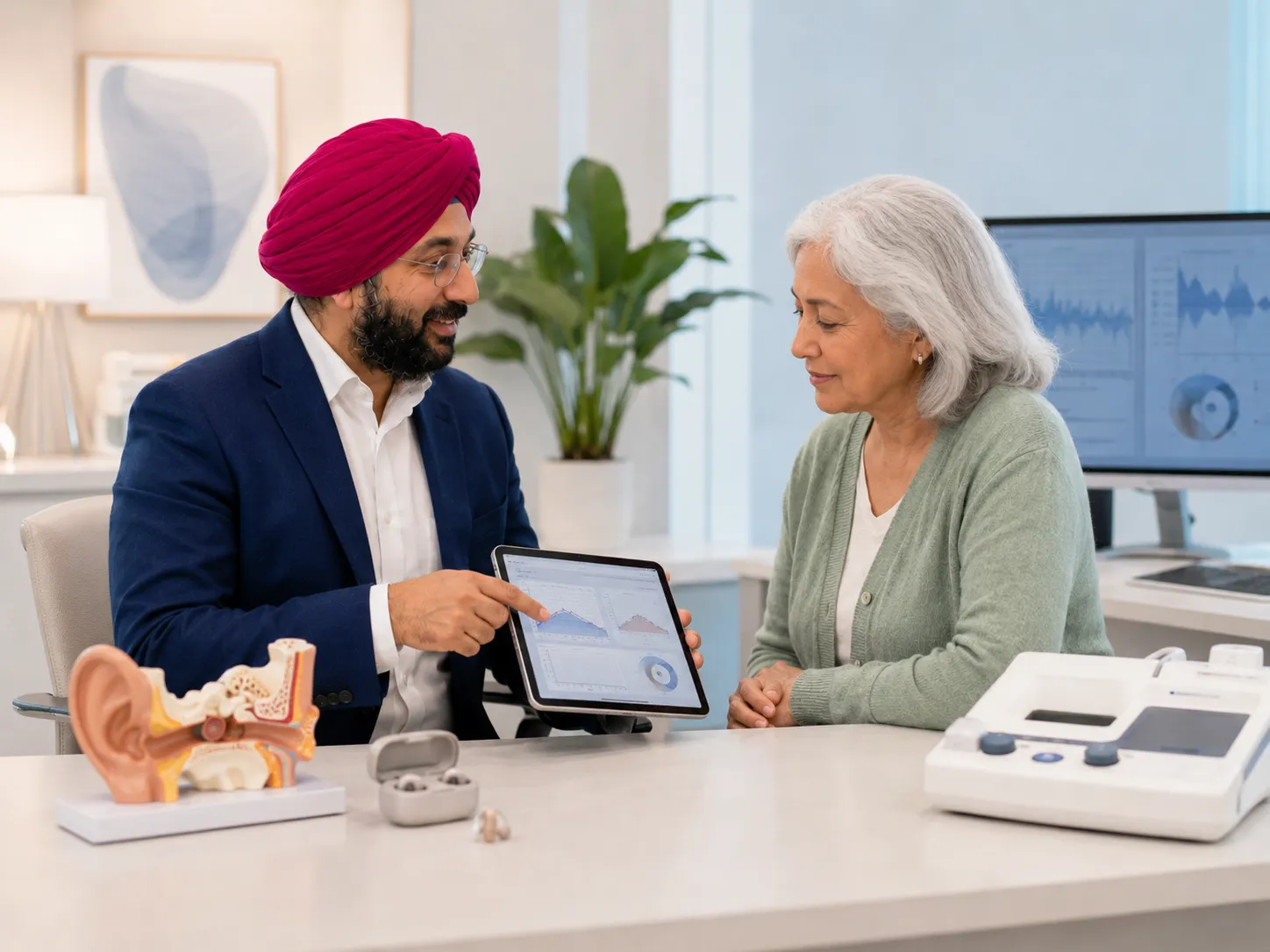
What Success Looks Like
Honest answers about hearing aids Glendale patients ask before choosing a device
These answers are written for people comparing hearing aids Glendale options, weighing up a hearing test or deciding whether an independent clinic is the right choice — with straightforward, unbiased information before taking the next step.
Which hearing aids Glendale option is best for me?
There is no single best hearing aids Glendale option for every person. The right choice depends on your specific hearing test results, how you perform in background noise, your phone type, the shape of your ear canal, your dexterity, comfort preferences, lifestyle and budget. Because Earport is independently owned and not aligned to any manufacturer, we compare options across all major brands and recommend what genuinely fits — not what's most convenient for us to sell.
Why do hearing aids cost so much, and how do I know I'm not overpaying?
Hearing aid pricing reflects a combination of processing technology, Bluetooth streaming capability, rechargeable systems, noise management algorithms, custom fitting, programming time, warranty coverage and the quality of follow-up support included. The most expensive model is rarely the best choice for everyone. A recommendation you can trust should clearly explain why a specific device suits your hearing goals, what alternatives were considered and what long-term support is actually included in the price.
Can I get invisible or very small hearing aids?
For many people, yes. Modern hearing aids can be remarkably discreet — some sit entirely inside the ear canal and are effectively invisible during normal conversation. Whether this is right for you depends on your degree and type of hearing loss, the size and shape of your ear canal, your wax levels, your dexterity and the features you need. Earport sources small and virtually invisible options across multiple manufacturers wherever clinically appropriate.
Will hearing aids help me in restaurants and noisy places?
Modern hearing aids can significantly improve your ability to follow speech in noisy environments — but they must be carefully selected and precisely programmed to do so. Busy restaurants, lively family gatherings and group conversations remain genuinely challenging even with the best technology. That's why Earport discusses realistic expectations with every patient and prioritises technology that directly supports your most important and most difficult listening environments.
I can hear people talking, but I can't understand the words. Is that hearing loss?
It very well can be, and it's one of the most common complaints we hear. Many people can detect that someone is speaking but consistently miss the actual words — especially with background noise present. A thorough hearing assessment can determine whether the problem relates to hearing sensitivity, speech discrimination ability, auditory processing, ear health, or a combination of factors. Understanding the cause is essential to choosing the right solution.
Do hearing aids connect to Android phones?
Many current hearing aids support direct Android streaming for phone calls, music and app control, but compatibility varies significantly between phone models and hearing aid brands. Some combinations work seamlessly; others have limitations. Before recommending any device, Earport checks your specific phone model, how you use it and what your streaming priorities are — so you're not disappointed after purchase.
Do hearing aids connect to iPhone?
Yes. Many hearing aids connect directly to iPhone for phone calls, audio streaming, app-based adjustments and remote programming. The best model for you depends on your hearing prescription, preferred wearing style, comfort priorities and whether features such as rechargeability, discretion or advanced noise management are important to you. Earport matches the technology to your actual iPhone usage habits.
What if I bought hearing aids before and did not like them?
You are far from alone. Disappointment with previous hearing aids is one of the most common reasons people come to see us. The cause is usually identifiable: wrong technology tier for your lifestyle, poor acoustic fitting, minimal follow-up care, uncomfortable ear moulds, unrealistic expectations that were never addressed, or simply a device that wasn't right for your pattern of hearing loss. A fresh, independent assessment can pinpoint exactly what went wrong and determine whether more suitable options exist today.
Are rechargeable hearing aids better than battery hearing aids?
Rechargeable hearing aids remove the frustration of handling tiny batteries — a significant advantage for anyone with limited dexterity or vision. However, battery-powered models still have real advantages for frequent travellers who can't always guarantee a charging point, or anyone who values the flexibility of an instant battery swap. The right choice depends on your daily routine, reliability needs, hands and personal preferences — not on which option is currently most popular.
Will people notice I am wearing hearing aids?
The vast majority of modern hearing aids are dramatically smaller and more discreet than anything produced even ten years ago. Many receiver-in-canal models sit behind the ear with an almost invisible thin wire, while completely-in-canal and invisible-in-canal styles are hidden inside the ear canal entirely. Colour and finish options can be matched to your skin tone or hair colour, or chosen to blend completely with your everyday appearance.
Do I always need hearing aids after a hearing test?
Absolutely not. Hearing aids are one possible outcome of an assessment — not an automatic result of attending. Depending on what your results show, a more appropriate path might be watchful monitoring, a referral to an ear, nose and throat specialist, tinnitus counselling, communication strategy coaching, hearing protection advice, balance investigation or a structured rehabilitation plan. Earport recommends only what your results and goals genuinely support.
How long does it take to adjust to new hearing aids?
Adjustment varies considerably from person to person. Your brain may need meaningful time to relearn sounds it hasn't processed clearly in years — and that neurological adaptation cannot be rushed. Most people experience significant improvement over the first few weeks, but the quality of follow-up appointments, real-world fine-tuning and practical education makes an enormous difference to how quickly and comfortably you settle into your devices.
Can hearing aids help with tinnitus?
For many people with both hearing loss and tinnitus, yes. Improving access to environmental sound through a well-fitted hearing aid can reduce the contrast between tinnitus and background noise, making the ringing or buzzing far less intrusive. Some devices also include dedicated tinnitus sound therapy programs. A proper assessment is needed to determine whether hearing aids, counselling, structured sound therapy or a combination of approaches is most appropriate for your specific situation.
Can pensioners get hearing aid support in glendale?
Some pensioners and eligible clients may be able to access fully or partially supported hearing devices through relevant hearing services programs or funding pathways. Eligibility, device options and gap payments can vary, so Earport can help you understand what may apply and where private hearing aid options may offer additional benefit.
Why should I choose an independent hearing clinic instead of a chain?
A clinic aligned with or owned by a specific manufacturer can only recommend that manufacturer's products, regardless of whether a better option exists elsewhere. An independent clinic like Earport has no such constraint — we can compare devices across all major manufacturers and recommend what is genuinely best matched to your hearing, technology needs and lifestyle. That independence matters enormously when you deserve an honest recommendation rather than one shaped by brand ownership, corporate quotas or a narrow product range.
Independent Brand Choice
We compare all major hearing aid manufacturers — evaluating discreet fit, Bluetooth streaming, rechargeable performance, colour options, all-day comfort and real-world speech clarity — before making any recommendation.
Comprehensive Hearing Assessment
Advanced diagnostic testing helps uncover what is genuinely affecting your hearing, speech understanding and balance-related function — so every recommendation is grounded in accurate clinical evidence, not guesswork.
Real-Life Hearing Support
Practical, ongoing guidance for restaurants, group conversations, television, work calls, family life, tinnitus management and building the long-term confidence that comes with consistently better hearing.
Ready to hear better? Book your hearing aids Glendale or Glendale appointment with Earport.
Use the button below to schedule your appointment online, or call us directly to talk through hearing aids Glendale options, hearing concerns, testing needs and the best next step — at your own pace, with no pressure.