
Trusted family hearing care
● Independent hearing care in Charlestown & Glendale
Hearing Care for Blocked Ears, Tinnitus, Hearing Loss & Everyday Listening Struggles

Struggling to hear conversations, dealing with blocked ears, ringing sounds, dizziness, or concerns about your child’s hearing? Earport provides hearing tests, wax removal, tinnitus support, balance testing and independent hearing aid advice for Charlestown, Glendale, Newcastle and nearby communities.

2 clinic locations All ages welcome Independent advice
● Clear answers for adults, children and families
Hearing Tests That Explain What Is Really Happening

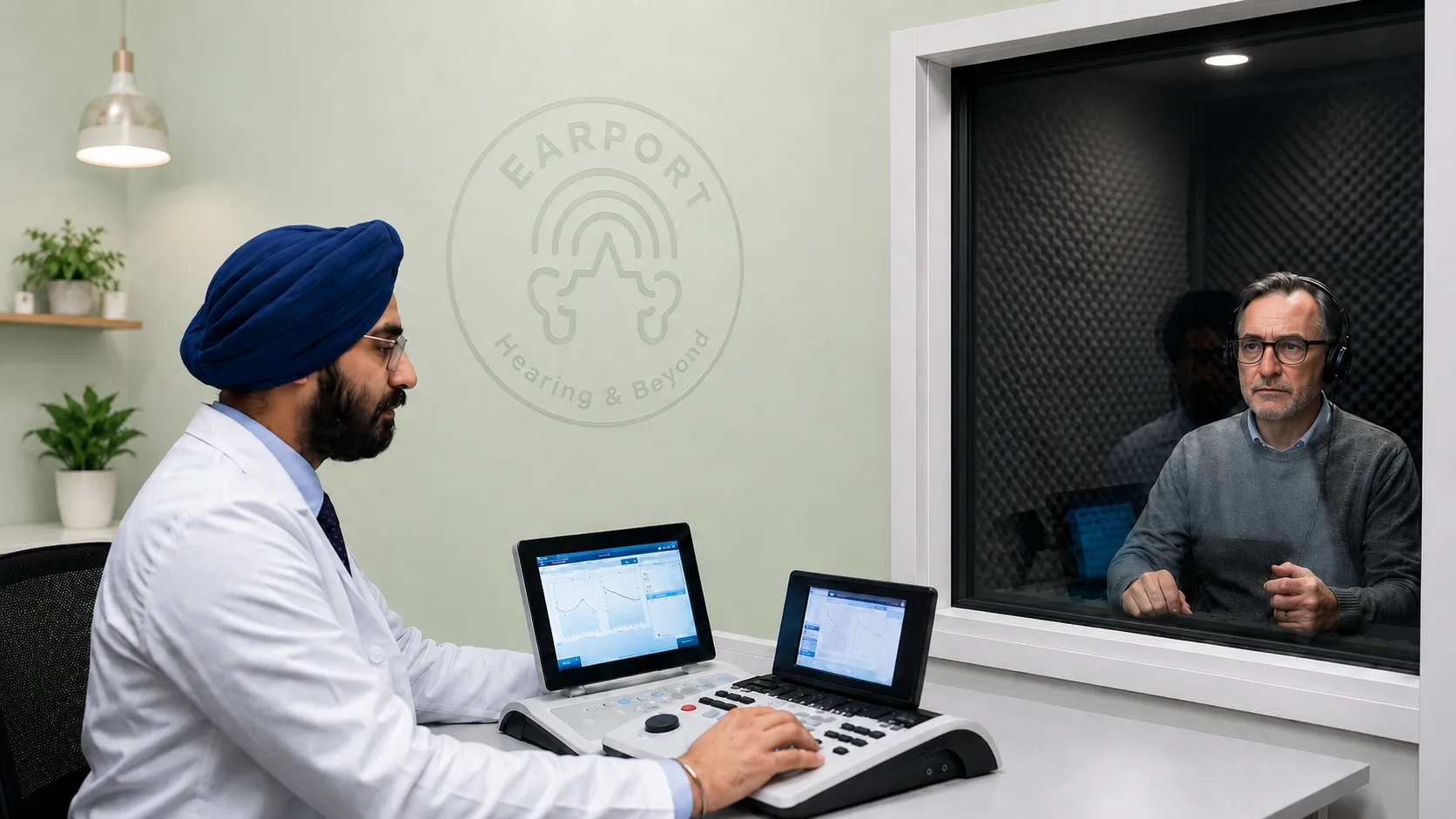
From missed words and listening fatigue to children’s speech or classroom concerns, Earport uses comfortable hearing assessments to explain your results clearly and guide the next practical step.

Adult hearing tests Children’s assessments Clear next steps
● Support for ringing ears, dizziness and blocked ears
Practical Care for Tinnitus, Wax, Balance and Hearing Aids

Whether you need wax removal, tinnitus support, balance testing or independent hearing aid advice, Earport focuses on everyday listening confidence instead of one-size-fits-all care.

Wax removal Tinnitus support Balance testing
Earport Audiology Charlestown | Hearing Tests, Tinnitus & Children’s Hearing
● Independent hearing care in Charlestown & Glendale

Hearing Care for Blocked Ears, Tinnitus, Hearing Loss & Everyday Listening Struggles

Struggling to hear conversations, dealing with blocked ears, ringing sounds, dizziness, or concerns about your child’s hearing? Earport provides hearing tests, wax removal, tinnitus support, balance testing and independent hearing aid advice for Charlestown, Glendale, Newcastle and nearby communities.

2 clinic locations All ages welcome Independent advice
● Our services

Complete Audiology Services

A complete range of independent hearing care services, including diagnostic, rehabilitation, workplace, aged care, and brain-hearing support.

👂

Hearing Tests

Clear and comfortable assessments for adults, seniors, and children.

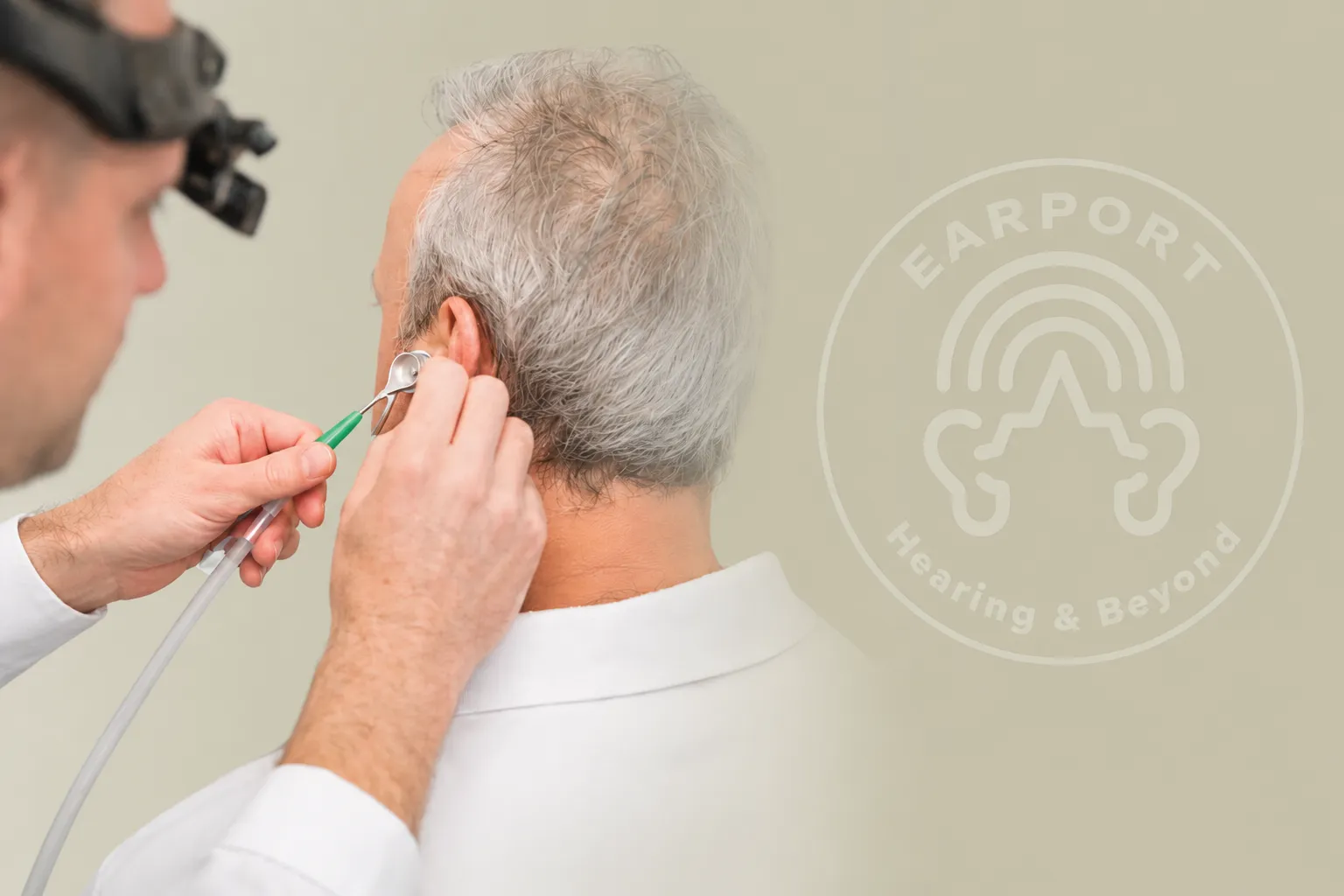
Microsuction wax removal

Wax Removal

Safe ear wax management with professional clinical care.

🔔

Tinnitus Care

Support and guidance for ringing, buzzing, and sound sensitivity.

🎧

Hearing Aids

Independent fitting across major manufacturers and technology levels.

🧭

Balance Testing

Objective testing to understand ear and balance-related concerns.

Hearing Services Program

HSP Services

Hearing Services Program support for eligible pension card holders.

📋

Pre-employment Test

Workplace and pre-employment hearing checks with clear reporting.

WorkCover

Support for work-related hearing concerns, reports, and claims.

🏡

Aged Care Visits

Practical hearing support for aged care residents and home visit needs.

🧠

Lace AI Pro

Brain-hearing training support to improve listening confidence.

👂

Hearing Tests

Clear and comfortable assessments for adults, seniors, and children.

Microsuction wax removal

Wax Removal

Safe ear wax management with professional clinical care.

🔔

Tinnitus Care

Support and guidance for ringing, buzzing, and sound sensitivity.

🎧

Hearing Aids

Independent fitting across major manufacturers and technology levels.

🧭

Balance Testing

Objective testing to understand ear and balance-related concerns.

Hearing Services Program

HSP Services

Hearing Services Program support for eligible pension card holders.

📋

Pre-employment Test

Workplace and pre-employment hearing checks with clear reporting.

WorkCover

Support for work-related hearing concerns, reports, and claims.

🏡

Aged Care Visits

Practical hearing support for aged care residents and home visit needs.

🧠

Lace AI Pro

Brain-hearing training support to improve listening confidence.

🎯1

Tailored Solutions

From tinnitus support to hearing aids, every recommendation is built around your lifestyle.

Explore Services
👶2

From Cradle to Crown

Gentle, evidence-based care for children, adults, grandparents, and every stage in between.

Book Visit
🏥3

The Earport Difference

Local, independent hearing care with honest recommendations, no pressure, and every major manufacturer available.

● Appointments

Personal Hearing Care & Practical Solutions

We focus on clear communication and tailored solutions that fit effortlessly into your world. With two clinic locations, support for all ages, access to major hearing aid brands, independent advice, and dedicated brain-hearing training, Earport Audiology is designed around your lifestyle.

Tele health Appointment
2 Clinic Locations
All Ages Welcome
All Major Hearing Aid Brands
100% Independent Advice
Brain Hearing Program

Lace AI Pro listening-confidence training.

Read More
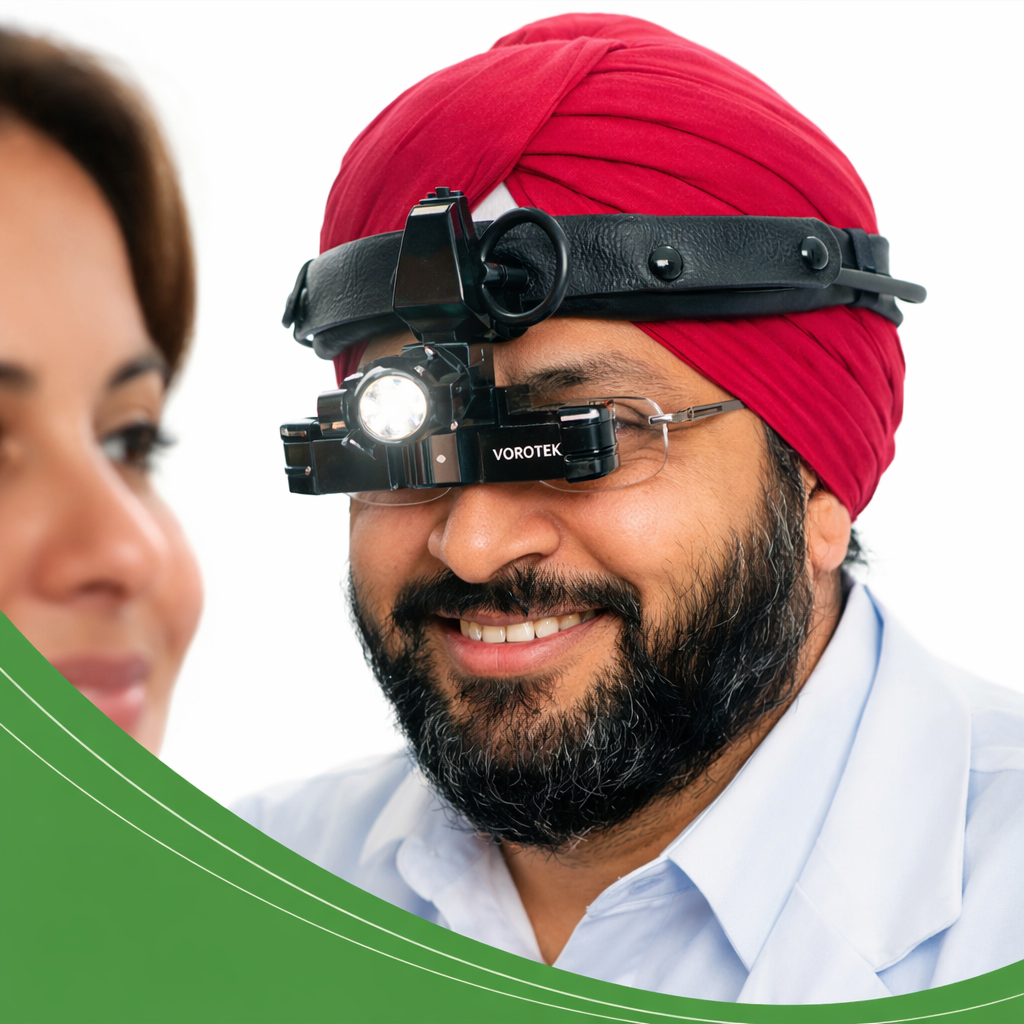
Gurdeep Singh founder and principal audiologist
Gurdeep Singh Founder & Principal Audiologist
● Founder & Principal Audiologist

Independent Clinical Leadership You Can Trust

Gurdeep Singh (Singh)

Earport Audiology is led by an experienced local audiologist focused on evidence-based, patient-centred hearing care for Newcastle, Lake Macquarie and the wider Hunter region.

Gurdeep Singh (Singh) has been providing audiology services across Newcastle, Lake Macquarie and the Hunter region since 2018. After completing his Masters in Audiology in 2009, he built broad clinical experience across India and Australia, including roles in Perth, Albury and Wagga Wagga before making Newcastle home.

His areas of interest include adult hearing rehabilitation, tinnitus support, vertigo-related hearing care and paediatric hearing assessments for children from 18 months of age. This breadth of experience supports a practical, high-quality and compassionate approach to care.

Since 2018 Supporting patients across Newcastle and Lake Macquarie.
Evidence-based care Independent, patient-focused hearing healthcare and rehabilitation.
Adults & children Support for rehabilitation, tinnitus, vertigo and paediatric assessments.
“Earport Audiology is not just a dream but my passion in action. I want to bring evidence-based, patient-centric and best-practice hearing healthcare to the Newcastle and Lake Macquarie community.”
● Accreditations

A Professional & Independent Audiology Clinic

Proud to support patients with recognised professional memberships, independent clinical standards, and eligible Hearing Services Program care.

Book Visit
Hearing Services Program logo

Locate Hearing Services Provider

Hearing Services Program

Audiology Australia logo

Members - Audiology Australia

Professional membership

● Patient stories

See What Our Clients Say About Us

Patients share how Earport helped them feel clearer, more comfortable, and more confident with hearing care.

See More
● Kids hearing tests

“The team made my son feel relaxed from the moment we arrived. The explanations were clear, calm, and easy for our family to understand.”

Emily Thompson
Emily ThompsonNewcastle parent
● Tinnitus support

“Singh listened properly and helped me understand my tinnitus without rushing. I left with a practical plan and much more confidence.”

Harpreet Singh
Harpreet SinghCharlestown patient
● Hearing aid advice

“I appreciated that Earport was not locked into one brand. The advice felt independent and focused on what would actually suit my lifestyle.”

Lachlan Wilson
Lachlan WilsonGlendale patient
● Wax removal

“The wax removal appointment was professional, gentle, and clearly explained. I could hear better straight away and felt very well looked after.”

Gurpreet Kaur
Gurpreet KaurLake Road patient
● Balance testing

“The balance testing process was explained step by step. It was reassuring to understand what was being checked and why it mattered.”

James Walker
James WalkerNewcastle patient
● Better hearing in noise

“Restaurants and family gatherings had become difficult. The testing and recommendations were specific, helpful, and easy to follow.”

Jasleen Kaur
Jasleen KaurCharlestown patient
● Independent advice

“No pressure, no hard sell. Just clear information about options from major manufacturers and what would work best for me.”

Olivia Bennett
Olivia BennettHunter region patient
● Adult hearing tests

“The hearing test was thorough and the results were explained in plain English. I finally understood what was happening with my hearing.”

Amandeep Singh
Amandeep SinghGlendale patient
● Family hearing care

“Earport feels warm, modern, and very patient-first. My parents and children were both treated with care and respect.”

Charlotte Hughes
Charlotte HughesNewcastle family
● Follow-up care

“The follow-up was excellent. Small adjustments made a big difference, and I felt supported after the first appointment too.”

Benjamin Clarke
Benjamin ClarkeCharlestown patient
● Tele health Appointment

Book An Appointment

Book online, or tap Tele health Appointment to call 0402391129.

● Clear answers before your appointment

Confident Answers. Clear Next Steps. Better Hearing Starts Here.

From unclear speech, tinnitus and dizziness to children’s listening concerns, hearing aids, work noise and HSP pathways, these FAQs turn complex hearing questions into practical next steps.

Designed for Newcastle, Lake Macquarie and Hunter families, this section helps patients arrive informed, reassured and ready for evidence-based care.

01

What are the early signs that hearing is becoming a communication problem?

Early signs include missing parts of conversation, needing repetition, finding background noise exhausting, increasing device volume, avoiding groups, or relying more on lip-reading. These changes can appear gradually, so a baseline hearing assessment is useful before communication becomes stressful. [1] [2]

02

Why can speech sound loud enough but still not be clear?

Speech clarity depends on hearing fine speech cues, especially high-frequency consonants. A person may hear voices but still miss detail such as names, instructions, endings of words or conversation in noise. A hearing test helps separate loudness from clarity. [1] [2]

03

When should a blocked-ear feeling be checked professionally?

A blocked feeling should be checked if it persists, affects hearing, appears suddenly, happens with tinnitus, dizziness, pain, discharge, or keeps returning. It may be wax, middle-ear fluid, pressure issues, infection or hearing change, so guessing can delay the right care pathway. [1] [2]

04

Is sudden hearing change urgent?

Yes. Sudden or one-sided hearing change should be treated seriously, especially with dizziness, ringing, pain, neurological symptoms or a sudden blocked-ear sensation. It is not something to wait on as a routine hearing-aid enquiry. [1] [4]

05

Why is hearing in restaurants, meetings and family gatherings harder than hearing at home?

Noise, distance, echo and multiple talkers force the brain to separate speech from competing sound. This can reveal hearing changes that are not obvious in quiet rooms. Testing can show whether hearing loss, listening fatigue or another factor is involved. [1] [2]

06

How can hearing difficulty affect confidence and relationships?

Hearing difficulty can lead to withdrawal, embarrassment, missed details, frustration, or appearing distracted. It can also affect partners and family members because conversations need more effort from everyone. Hearing care aims to improve participation, not just measure thresholds. [1]

07

When should tinnitus be assessed instead of ignored?

Tinnitus should be assessed when ringing, buzzing, hissing or pulsing is persistent, one-sided, intrusive, affects sleep, or appears with hearing change or dizziness. Assessment helps identify hearing status, red flags and practical management options. [3]

08

Can tinnitus be linked with hearing loss?

Yes. Tinnitus can occur with hearing loss, noise exposure, ear injury, sound sensitivity or other health factors. A hearing assessment is often a useful first step because it shows whether hearing changes are part of the tinnitus picture. [3]

09

What tinnitus support can help if the sound does not fully disappear?

Helpful tinnitus support may include education, hearing assessment, sound strategies, sleep and stress management, hearing rehabilitation where appropriate, and referral when medical review is needed. The goal is to reduce the impact of tinnitus on daily life. [3]

10

When can dizziness or vertigo involve the inner ear?

Vertigo can feel like spinning, rocking or movement when still. Inner-ear causes are possible when symptoms are triggered by head movement, rolling in bed, bending or turning. Assessment helps decide whether vestibular care, GP review or referral is needed. [4] [5]

11

Which dizziness symptoms should not wait for a routine appointment?

Dizziness or vertigo with weakness, numbness, facial droop, double vision, slurred speech, confusion, severe headache, chest pain, fainting or trouble walking needs urgent medical attention. Those symptoms should not be treated as routine balance concerns. [4] [5]

12

What signs suggest a child may need a paediatric hearing assessment?

Signs include delayed responses, missed instructions, frequent repetition, speech delay, unclear speech, high device volume, difficulty in groups, listening fatigue, or a history of glue ear and repeated ear infections. Earport provides paediatric hearing assessments from 18 months. [1] [2]

13

Why does glue ear matter for speech, learning and classroom listening?

Glue ear or middle-ear fluid can reduce hearing consistency. Children may hear some days better than others, which can affect speech access, attention, behaviour and learning. Hearing results can guide family, GP, school and ENT decisions. [6]

14

Can a child seem fine one-on-one but struggle at childcare or school?

Yes. Childcare and classrooms have distance, noise and fast instructions. A child may cope in quiet conversation but miss group instructions or soft speech. A hearing assessment helps separate hearing concerns from attention, language and learning factors. [1] [2]

15

When are hearing aids only one part of the solution?

Hearing aids may help when hearing loss is confirmed, but care can also involve wax management, medical referral, tinnitus support, communication coaching, workplace advice, monitoring and follow-up. Good audiology starts with the diagnosis and the person’s goals. [1] [2]

16

How should hearing aids be fitted so they are not overwhelming?

Modern hearing aids should be programmed to the hearing profile, comfort, sound tolerance and everyday listening needs. Fitting is not just making sound louder; it involves speech clarity, noise handling, gradual adaptation and follow-up adjustments. [1] [2]

17

Why is follow-up care important after hearing aids are fitted?

Follow-up is where comfort, background noise settings, phone streaming, speech clarity and confidence are fine-tuned. Many hearing-aid concerns improve through adjustment, coaching and realistic listening goals rather than changing devices immediately. [1] [2]

18

Who may be eligible for the Hearing Services Program?

Some Australians may be eligible for subsidised hearing services and devices through the Australian Government Hearing Services Program. Eligibility should be checked before assuming hearing care must be fully private, especially for pensioners, veterans and other eligible groups. [7]

19

What should workers exposed to noise monitor?

Workers around machinery, tools, construction, transport, music, industry or port environments should watch for ringing after work, muffled hearing, difficulty in groups, or reduced speech clarity. Hearing protection and periodic testing are important for prevention. [8] [9]

20

Why is noise-induced hearing loss different from temporary muffled hearing?

Temporary muffled hearing after noise may improve, but repeated or intense noise can cause permanent damage. Prevention matters because noise-induced hearing loss is often preventable with exposure control, hearing protection and early testing. [8] [9]

21

What is included in a comprehensive hearing assessment?

A hearing assessment may include case history, ear check, hearing thresholds, speech-related discussion and explanation of results. The aim is to understand how hearing affects real communication and what next steps are clinically appropriate. [2]

22

What information helps the audiologist understand the full picture?

Useful details include when symptoms started, which situations are difficult, tinnitus patterns, dizziness history, ear infections, noise exposure, medication, previous hearing results, hearing-aid history and GP or ENT notes. This turns the appointment into a targeted clinical discussion. [2] [3] [4]

23

When should a support person attend the appointment?

A partner, family member or carer can be helpful when communication issues affect home life, device decisions, follow-through or children’s listening history. Support people often notice real-world patterns that are useful during assessment and planning. [1] [2]

24

Why choose independent audiology for long-term hearing care?

Independent audiology can focus on assessment, education, rehabilitation options, device advice and follow-up around clinical need rather than a one-size product pathway. That matters for adults, children, tinnitus, vertigo, workplace concerns and ongoing monitoring. [1] [2]

25

How does local audiology support people across Newcastle and Lake Macquarie?

Local care makes follow-up easier for hearing tests, tinnitus discussions, paediatric reviews, hearing-aid adjustments and rehabilitation. Earport supports Newcastle, Lake Macquarie and the Hunter, including Charlestown, Kotara, Cardiff, Warners Bay, Belmont, Wallsend and Mayfield. [2]

26

When should hearing be rechecked after a normal or mild result?

Recheck timing depends on symptoms, age, tinnitus, noise exposure, work demands and family concerns. A repeat test is sensible if listening changes, tinnitus appears, work noise increases or speech clarity becomes harder in everyday situations. [1] [2]

27

What if hearing problems are affecting work performance?

Missing instructions, struggling in meetings, avoiding phone calls or feeling exhausted after listening can affect work confidence. A hearing assessment helps identify whether hearing support, communication strategies, hearing protection or workplace adjustments may be useful. [1] [2] [9]

28

What if older adults avoid social events because listening is tiring?

Listening fatigue can make social events feel like hard work. Avoidance may be a sign that hearing clarity, background noise or tinnitus needs attention. The right plan can improve confidence and reduce communication strain. [1]

29

What if a child has speech delay but no obvious hearing problem?

Hearing should still be checked because children can adapt visually or respond to familiar voices while missing softer speech cues. A paediatric hearing assessment helps rule hearing in or out as part of a broader speech and language pathway. [1]

30

What should someone expect from evidence-based hearing care?

Evidence-based care should connect symptoms, test results and real-world goals. It should explain findings clearly, identify red flags, provide practical options and support follow-up rather than simply handing over a result sheet or device recommendation. [2]